CHROMIND by Rasha
Chroma, for color. Mind, for the intelligence behind it.
CHROMIND combines calibration with integrated electronic control to manage how LEDs produce color and white light. It controls the contribution of each emitter to create the selected mix.
Developed by Rasha, CHROMIND is the technology behind the light engine. Its implementation is tailored to each fixture’s LED configuration, with performance measured in the finished product.
Scroll for the data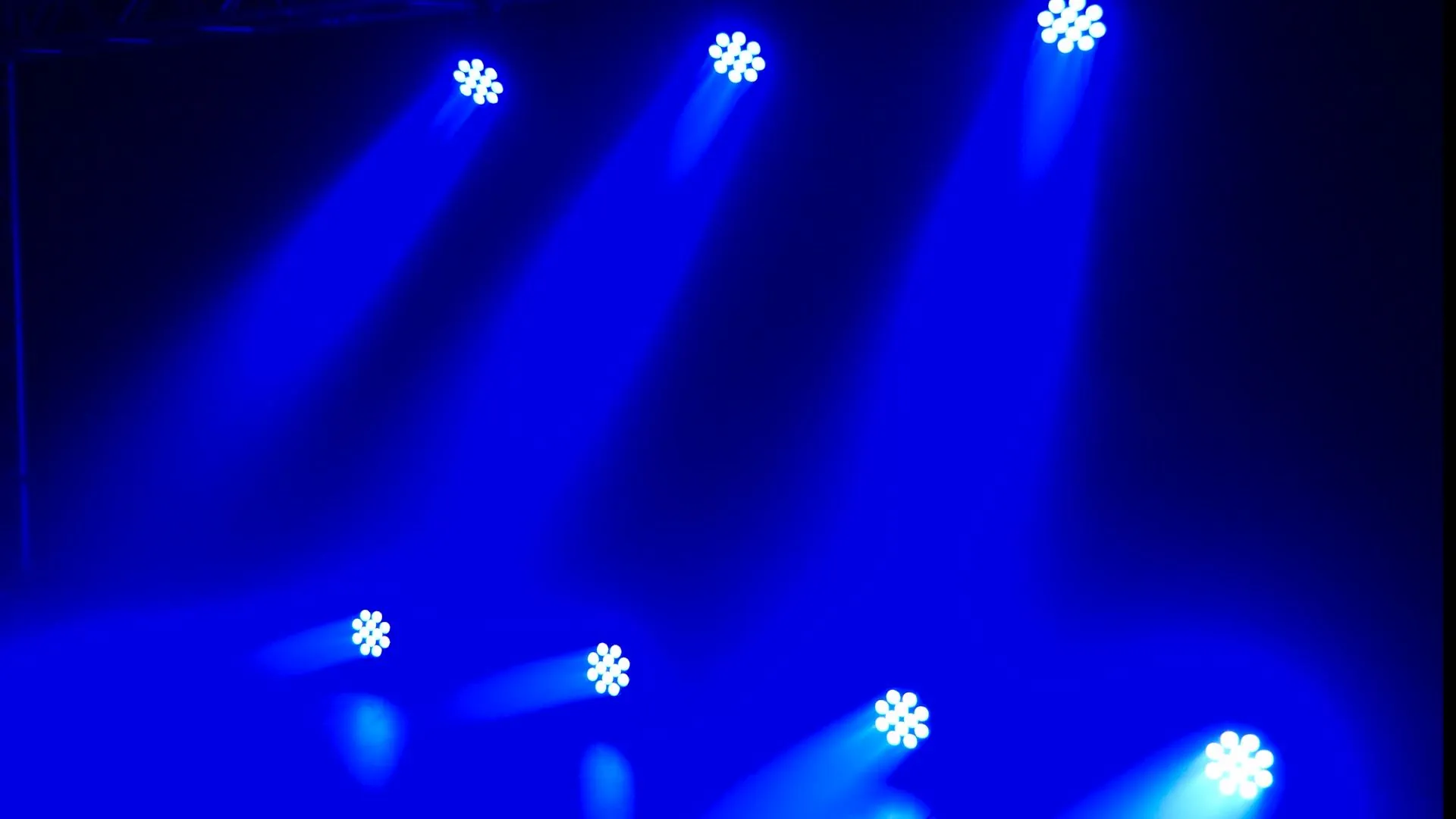
Fixture‑to‑fixture color consistency
Make the whole rig match—not just the specs
A spec sheet tells you how one fixture performs. But a rig may have twenty or more, and even fixtures from the same production run can look slightly different. On a cyc or on camera, those differences stand out—one fixture may lean green while another shifts magenta. The lighting designer has to correct each fixture individually, and the colorist is left fixing the rest in post.
- 01
Calibrated at the source
CHROMIND fixes it at the source. Every LED is calibrated individually, and the calibration stays with the fixture, so it travels with the unit to every show.
- 02
Every color, not just white
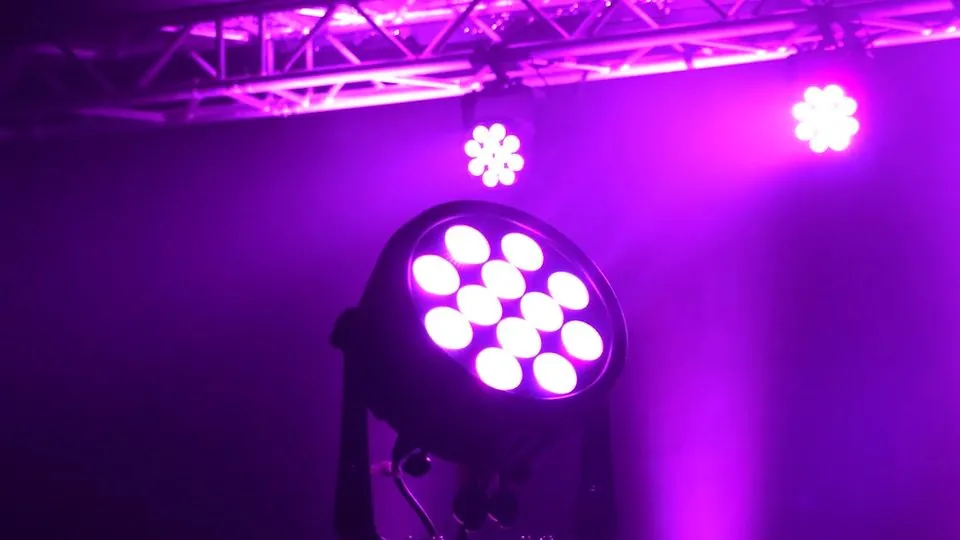
It covers the full color range, not just white. CHROMIND calculates the right emitter mix for every color the fixture produces. Saturated reds, greens and blues stay clean and dense. Mixes like lavender, sky blue and warm gold stay true instead of turning muddy.
- 03
Stable as it heats
LED color also shifts as the engine heats up. CHROMIND holds it steady, so the look at the end of a two-hour show matches the look at the top of the show.
Saturated color
Every color, true
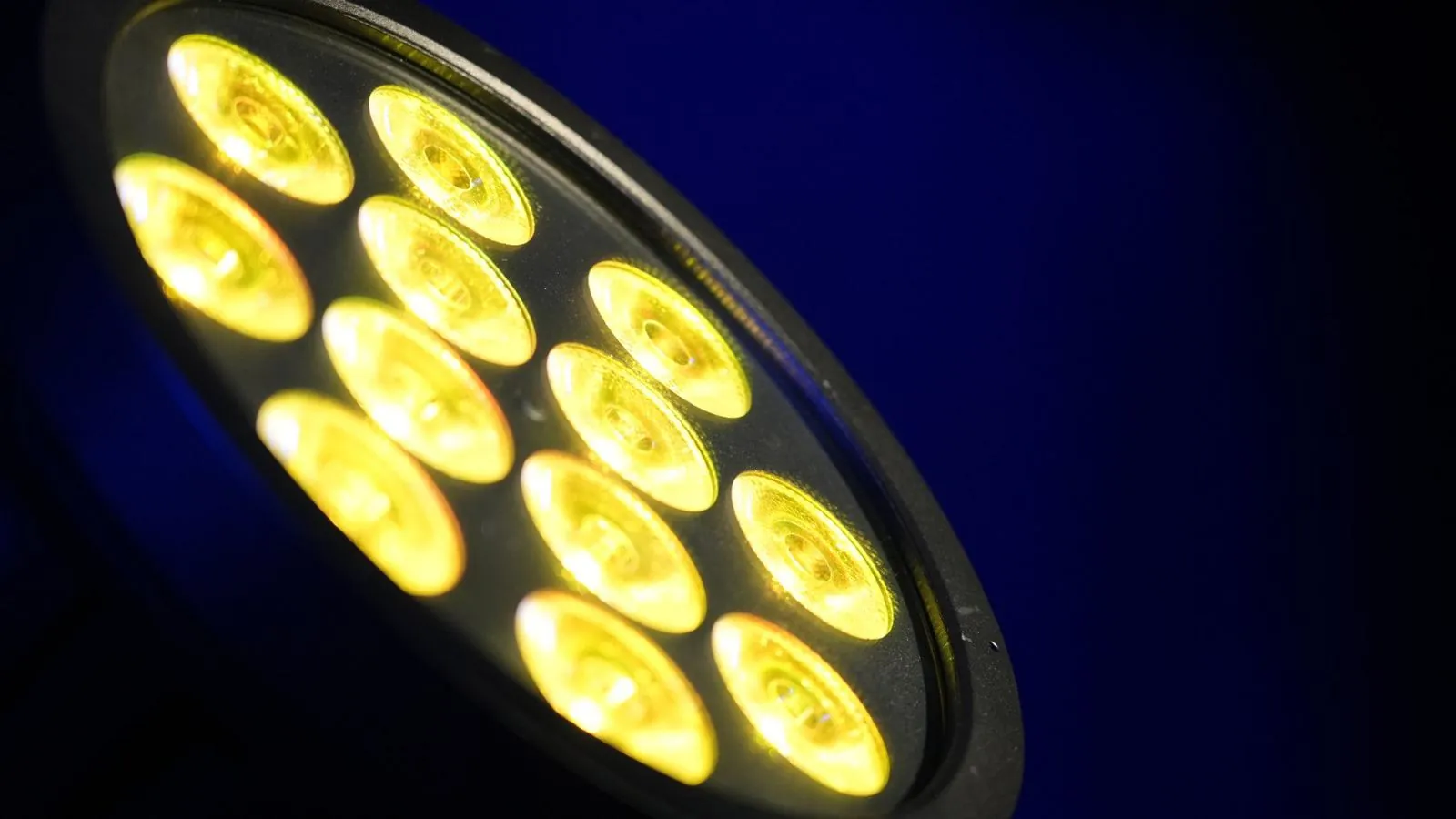
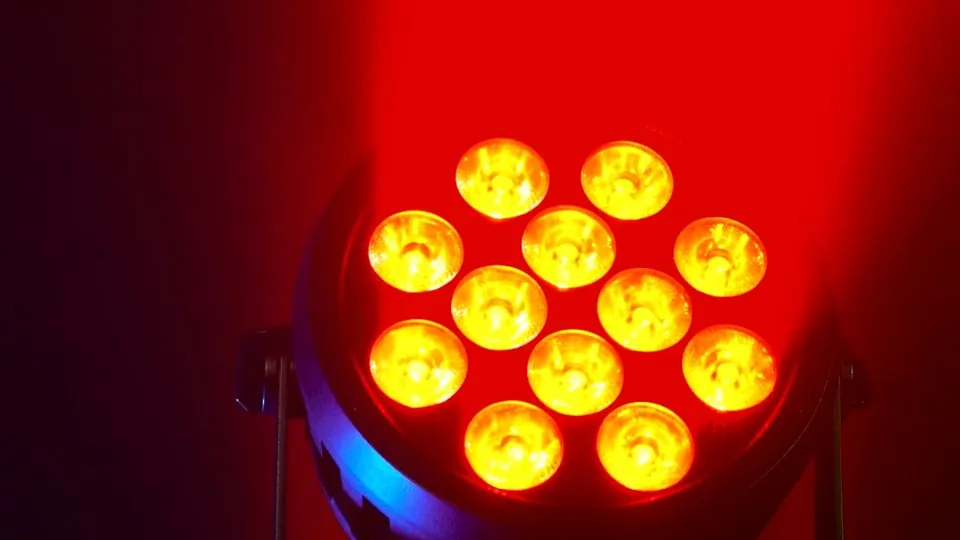
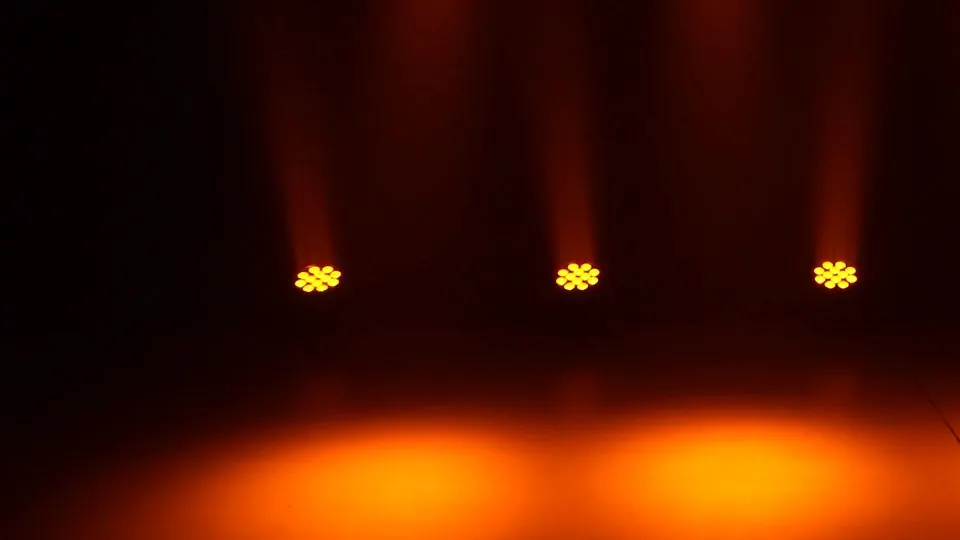
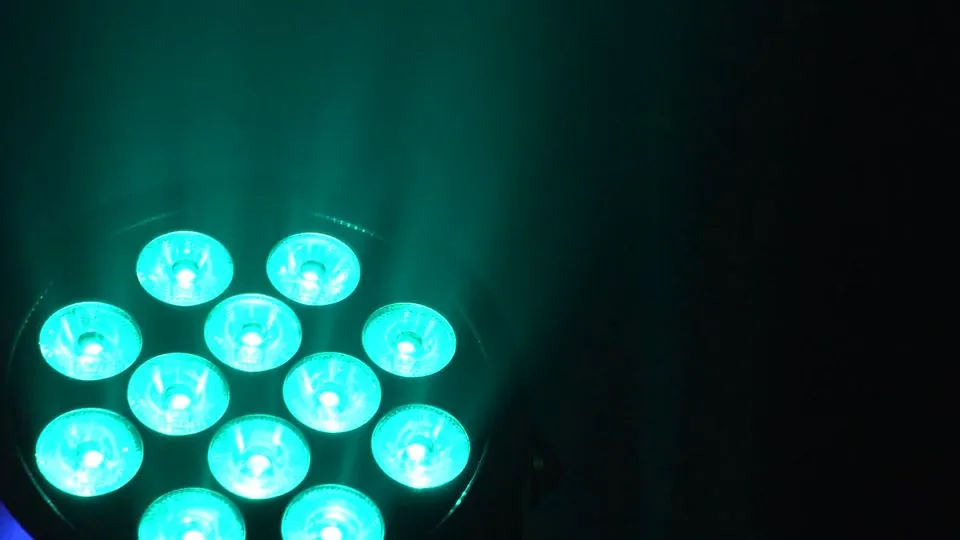
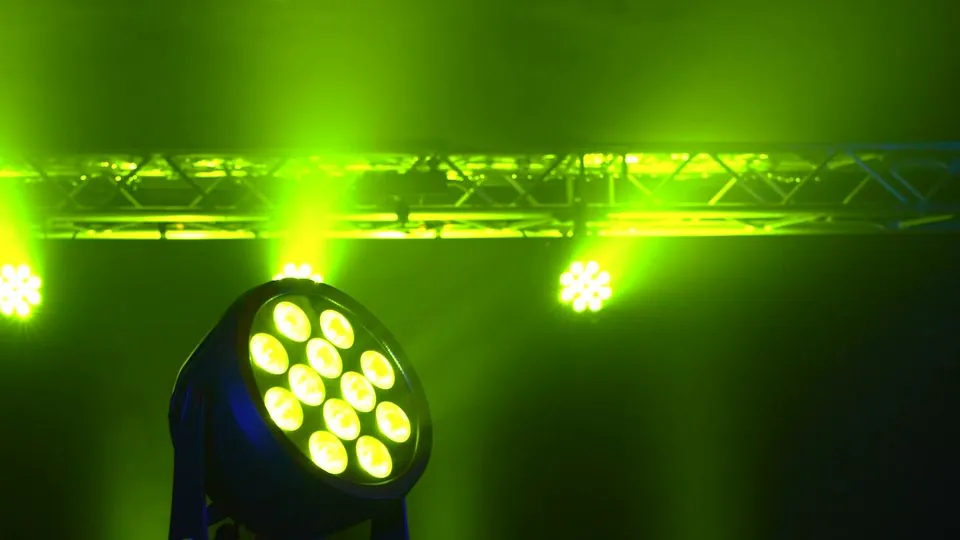
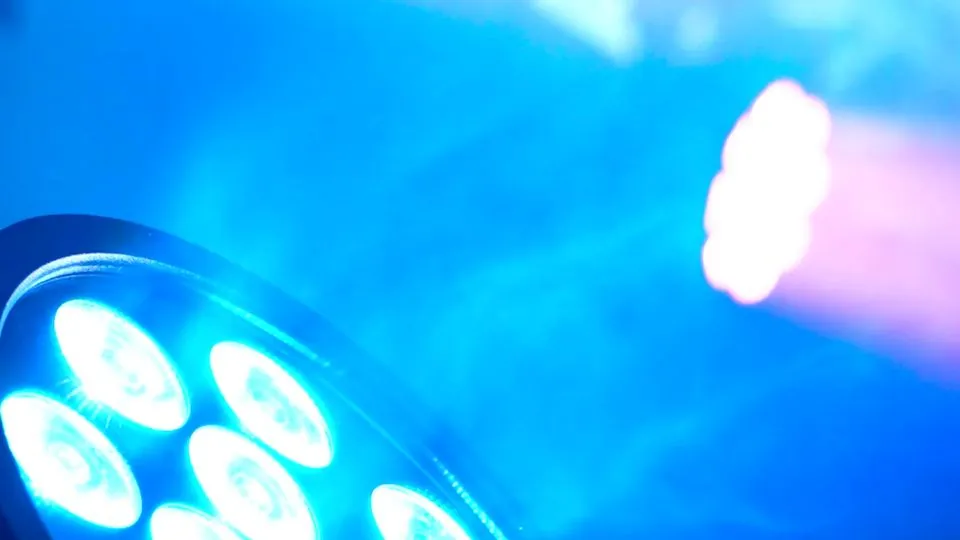
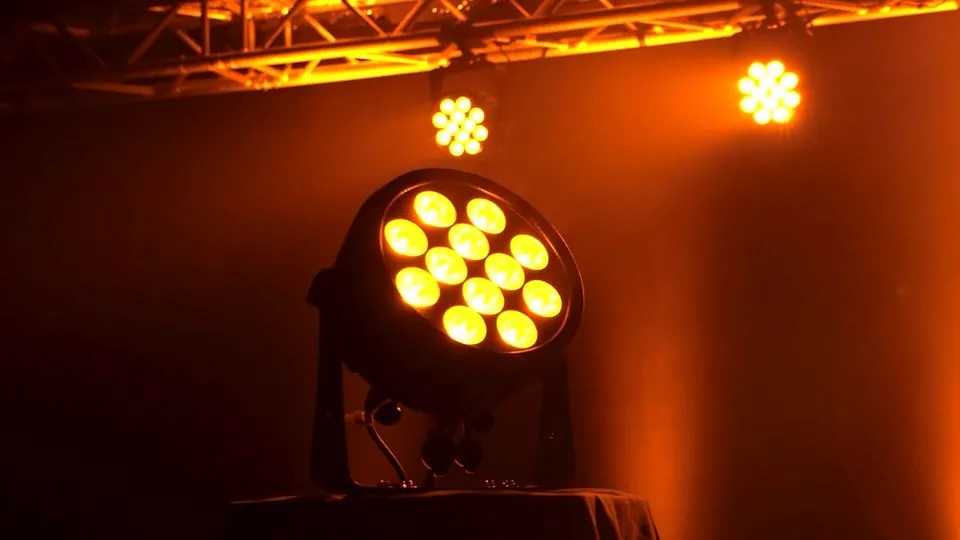
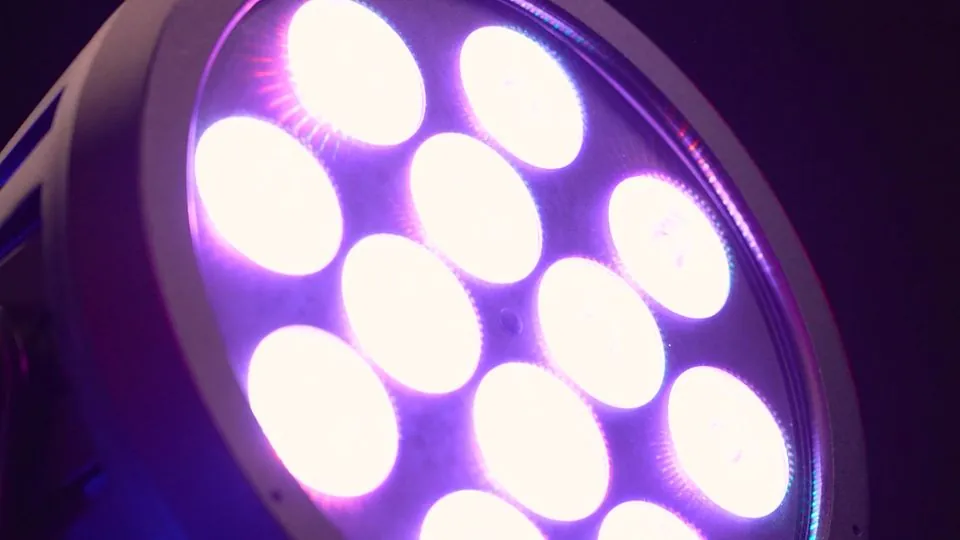
Six saturated primaries and every mix in between. Clean, dense, and consistent from the first fixture in the rig to the last.
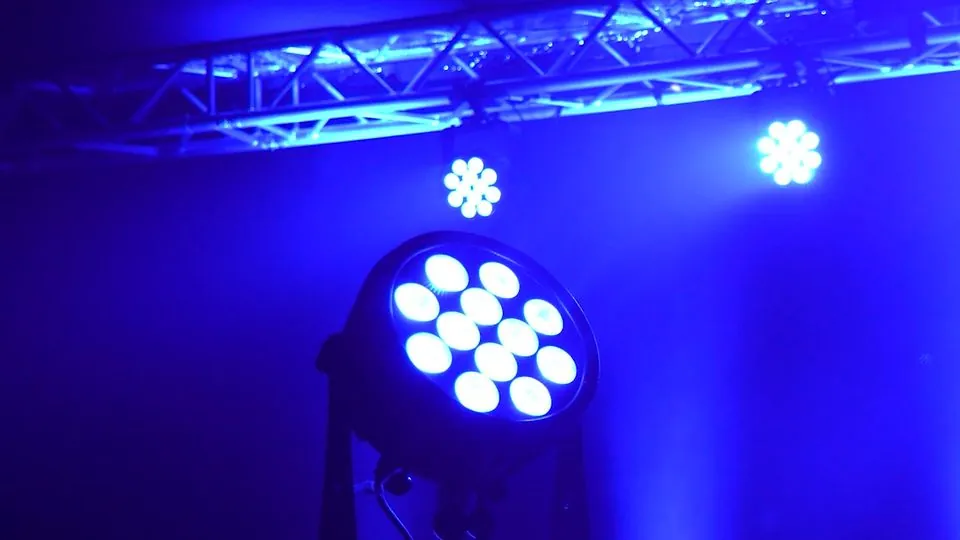
Stills from Rasha's product film. Camera sensors and displays affect how color reads, so see the fixture in person to judge it.
Saturated colors

Mixed colors
Live color control
Dial in color by hue and saturation
Six emitters means six faders to mix one color. In HSL mode the programmer works with three. Hue picks the color around the wheel, Saturation sets how deep it goes, from full color to white, and Lightness brings it up from black to the full hue, then past it toward white for tints.
CHROMIND works out the red, green, blue, amber, cyan and lime behind every setting, so the fixture follows the console smoothly from one color to the next.
On Rodie X12: 5Ch HSL mode.
Drag the wheel or the sliders. Values are the DMX levels you would send. On-screen color is approximate.
Fine dimming
16-bit dimming, smooth to black
An 8-bit dimmer has 256 steps. In a slow fade, or a long fade-out on camera, the last few are big enough to see. CHROMIND fixtures add a fine channel to the dimmer and to every color, for 65,536 steps each, so long fades stay smooth all the way to black.
Four dimmer curves set how the output follows the fader: Linear, Square Law, Inverse Square Law and S-Curve. Pick one in the fixture menu, in the app or over DMX.
On Rodie X12: 20Ch and 25Ch modes.

Illustration. Curves follow the four dimmer curve shapes; steps are the 8-bit and 16-bit DMX resolution.
Color temperature
Variable CCT, 1,800K to 10,000K
The dashed line is the reference light CRI is scored against. Watch CHROMIND track it from candlelight through tungsten to daylight.

Measured spectrum of a CHROMIND fixture. Dashed line: the CIE reference illuminant at the same CCT (blackbody below 5,000K, daylight above), the standard every CRI score is calculated against.
Color rendering
Beyond the CRI number
The CRI number (Ra) is an average of just eight soft pastel test colors, R1 to R8. The full CIE test uses fifteen. Each tile shows how accurately that color renders under the white you select. 100 is a perfect match to the reference.
For camera work, three tiles matter most: R9, saturated red, which carries skin warmth, lips and wardrobe reds, and R13 and R15, light and medium skin. R9 is where many LED fixtures fall short. CHROMIND holds R9 above 90 at every white point. For broadcast and film, TLCI is 92 to 95 from 3,500K to 10,000K, and TM-30 fidelity (Rf) runs 88 to 94 across the full range.
See it in person
Put CHROMIND next to what you run now.
PWM frequency
Six PWM settings, 800Hz to 25kHz
LED fixtures dim with PWM, switching the emitters on and off thousands of times per second. CHROMIND fixtures let you choose how fast: 800Hz, 1.2kHz, 2kHz, 3.6kHz, 12kHz or 25kHz, set from the fixture menu or over DMX. The eye sees steady light at every setting. A camera can catch the switching as flicker or rolling scan bands, more so at high frame rates and fast shutter speeds, so the right setting depends on how you shoot. Pick a frame rate and a PWM setting to see the result. The factory default is 25kHz.
Simulation at a 180° shutter, with banding exaggerated for visibility. 100 or more PWM cycles per exposure reads as flicker-free.
Products with CHROMIND
CHROMIND is a Rasha signature, built into selected fixtures, starting with Rodie X12. Look for the CHROMIND badge on the box and on the spec sheet.
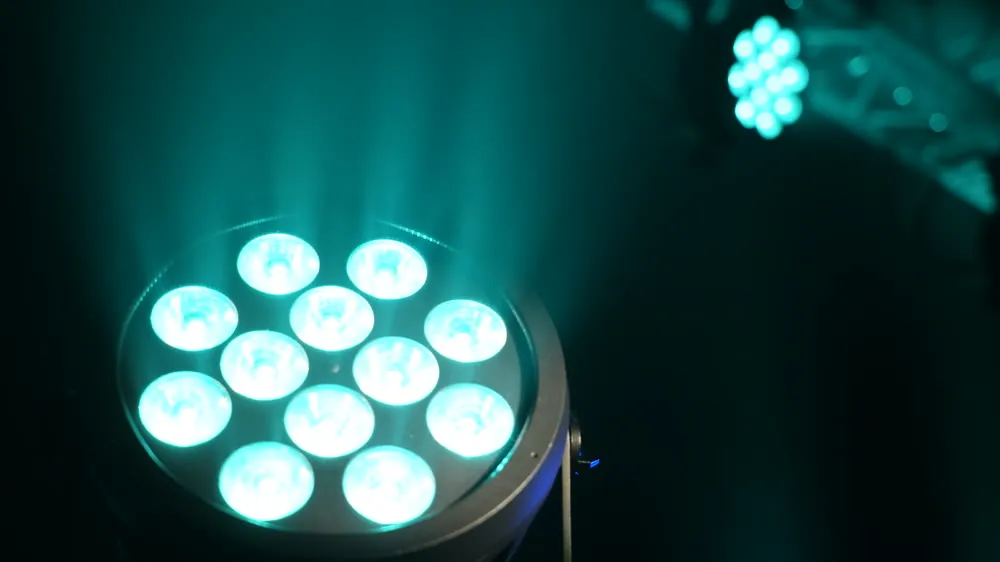
Rodie X12
IP65 six-color wash with 12 RGBACL LEDs, variable CCT from 1,800K to 10,000K, and a 25° beam.
See Rodie X12
More Rasha fixtures will ship with CHROMIND. This list grows as they launch.
All Rasha products
Look for this mark
R for Rasha. C for CHROMIND. The mark tells you every emitter in the fixture was individually calibrated at the Rasha factory, for accurate color, consistent white light and unit-to-unit matching across the rig.
