Filter by
Product list
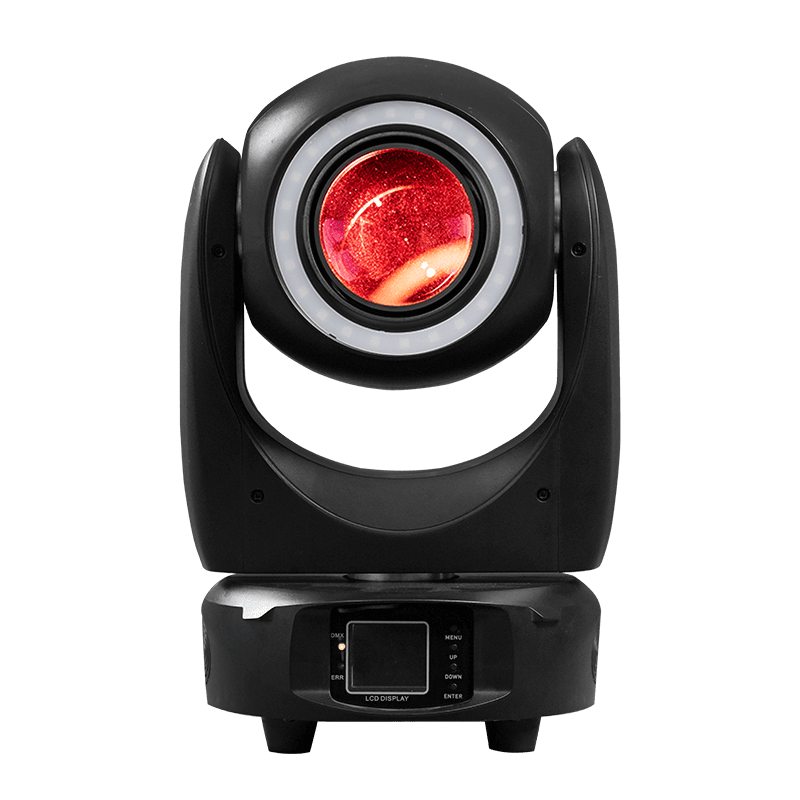
Zuri
Moving Head Beam
Beam Moving Head Light
Sharp aerial beams that cut through any venue. Built for concerts, large stages, and productions where the beam itself is the show.
A beam moving head light is built for one thing: cutting through the air with a tight, piercing shaft of light that registers as a visible column from floor to ceiling. Unlike a wash light that spreads color across a surface or a spot light that projects a defined circle with a gobo, a beam fixture keeps its focus narrow — typically between 1° and 4° — so every beam reads as a distinct, sculpted line in the air.
For lighting designers working in concert venues, arenas, nightclubs, and large events, this matters because beam fixtures create the architecture of a light show. They draw the eye upward, define the height of a room, and sync with music to produce those high-energy moments audiences remember.
If you are setting up a touring rig, installing a permanent club system, or designing lighting for a festival stage, the beam moving head category is where you look for definition, speed, and impact.
What Is a Beam Moving Head Light?
A beam moving head light is a motorized fixture that produces an extremely tight, laser-like beam of light — typically between 2° and 5° — that travels through the air, punches through haze, and creates dramatic aerial effects above audiences. Unlike wash or spot fixtures, the beam itself is the visual. It doesn't light a surface. It sculpts the air.
For concert and large venue productions, this distinction matters enormously. When you're working with a 3,000-capacity room, an outdoor festival stage, or a touring arena setup, a well-programmed beam rig can define the visual identity of an entire show. Sharp beam moving head fixtures are the workhorses of that look.
At their core, these fixtures combine:
A high-output LED or discharge light source
A narrow beam angle (often 2°–5°) for piercing projection
High-speed motorized pan and tilt for sweeping aerial movement
Gobos, prisms, and color wheels for mid-air texture and effect
DMX and RDM control for seamless integration into large rigs
When you see those columns of synchronized light cutting above a festival crowd or the tight fan of beams framing a headline act — that's a beam moving head doing exactly what it was designed to do.
What a beam moving head does
A beam moving head light delivers a tight, high-intensity beam that remains focused over long throws, producing visible columns of light used for aerial effects, audience washes, and dynamic stage choreography in concert and arena environments. It differs from spot and wash fixtures by beam angle, output concentration, and motor speed. The defining characteristic of a beam moving head is its beam angle. Standard beam moving heads produce an angle between 1° and 4°, which is significantly narrower than a spot (typically 5°–25°) or a wash (10°–60°). This narrow angle concentrates the light output into a dense, collimated column that reads as a solid rod of light in haze or fog.
Tight, Focused Beams (1°–4°) – The narrow beam angle keeps the light sharp and concentrated, so those striking vertical columns stay visible even over long distances. This creates a sense of depth and drama that fills the space.
Perfect for Aerial Effects – Whether it’s sweeping beams across the sky or piercing shafts through the audience, these fixtures deliver the high-energy visuals that define modern live performances.
Fast, Precise Movement – With smooth pan and tilt control, beam moving heads can sync flawlessly with music, adding dynamic motion that enhances the energy of any show.
Versatile Optics – Features like prisms, gobos, and color halos let you layer effects, multiply beams, and create richer textures in the air—making the lighting feel more immersive.
Seamless Integration – DMX and RDM compatibility means they fit right into any professional lighting setup, whether you’re on tour or working in a fixed venue.
Why Beam Moving Heads Are Non-Negotiable for Concerts and Large Venues
There's a reason beam fixtures appear on virtually every major concert and touring rider. No other fixture type produces the same combination of aerial presence, reach, and visual drama.
Throw Distance In a large venue, your fixtures may be rigged 20, 30, or even 50 feet from stage level. A wash won't read at that distance. A narrow-beam moving head fires a tight, concentrated column of light that remains visible and punchy across the entire throw — from the rig to the floor and up into the air above the audience.
Haze Interaction Beam fixtures are designed to work with haze, not against it. In a hazed environment, that 3° beam becomes a solid physical object in the air. You can see it from every seat in the venue. This is why beam angles and haze go together in nearly every concert production context.
Speed and Synchronization Concert lighting is choreographed. Fast pan and tilt movement — smooth enough to track dancers or explosive enough to punctuate a drop — requires fixtures built for speed. Beam moving heads at the professional level move fast and hold position precisely, making synchronized looks across a full rig achievable without drift or lag.
Programmable Beam Looks Between gobos, rotating prisms, beam multipliers, and color wheels, a single beam fixture can produce dozens of distinct looks. One fixture mid-song can shift from a sharp narrow beam to a wide prism fan to a colored aerial effect without a single physical adjustment.
Create aerial beam fans above the audience
Build symmetrical beam arrays across stage trusses
Add movement synchronized with music and show cues
Produce visible shafts of light across long distances
Create layered looks using gobos, prisms, and color effects
Add depth to stage designs without increasing fixture count
If you're specifying a concert rig, a touring package, or a fixed installation in a large venue, beam moving heads are in the foundation of that design — not an add-on.
What Makes a Beam Moving Head Light Different
The defining characteristic of a beam moving head is its beam angle. Standard beam moving heads produce an angle between 1° and 4°, which is significantly narrower than a spot (typically 5°–25°) or a wash (10°–60°). This narrow angle concentrates the light output into a dense, collimated column that reads as a solid rod of light in haze or fog.
Beam Moving Head
Beam Angle: 1°–4°
Primary Use: Aerial effects, beam sculpting
Light Quality: Sharp, laser-like edge
Best For: Concerts, nightclubs, touring
Spot Moving Head
Beam Angle: 5°–25°
Primary Use: Gobo projection, stage lighting
Light Quality: Soft-edged or hard-edged with gobo
Best For: Theater, corporate events
Wash Moving Head
Beam Angle: 10°–60°
Primary Use: Color washing, area coverage
Light Quality: Even, diffused spread
Best For: Weddings, architectural lighting
ZURI — Compact beam moving head fixture
The ZURI is the beam fixture in the lineup from Rasha Professional — Stage Lighting and Video Wall Manufacturer. It was built specifically around the demands of tight aerial work: a true 3° beam angle, 100W LED source, and up to 60,000 lux at 3 meters.
What separates the ZURI - compact moving head beam fixture from the crowded sub-$1,000 beam market is what it does beyond the beam itself.
The Core Specs That Matter:
Light Source: 100W LED
Beam Angle: 3° (tight, laser-like beam projection)
Output: Up to 60,000 lux at 3m
Gobos: 13 fixed gobos for aerial texture and pattern work
Color Wheel: 12-color wheel with split colors, half tones, and rainbow effects
Prism: 8-facet rotating prism with built-in color filter effects
Pixel Ring: Ambient RGB pixel ring for layered visual depth
Control: DMX and RDM — full remote addressing and monitoring
Pan/Tilt: 540°/270° High-speed motorized movement for dynamic programming
Strobe: Variable strobe: standard, pulse, random
Mounting: Suspendable base for ceiling/truss installation
Use case fit: Concerts, arenas, touring rigs, and large venue installs
What That Means in a Real Show Context:
That 3° beam means you can run the ZURI in a full haze load and it reads clearly across a 200-foot room. The 13 gobos let you break up the beam mid-air — star patterns, geometric shapes, or layered prism fans — without needing a separate gobo rotator. The 12-color wheel with rainbow effects means transitions between colors happen in motion, not as a static cut. And the RGB pixel ring adds a second layer of visual information on the fixture body itself, so it contributes to the overall visual when not in motion.
The RDM control integration is particularly relevant for larger rigs. When you've got 20+ fixtures in a touring setup, being able to address, monitor, and troubleshoot remotely — without sending a crew member up a lift mid-load-in — changes how fast you can get a show ready.
For concert and large-venue buyers who need a compact fixture that punches above its weight, ZURI provides a narrow 100W beam, fast motors, and an RGB halo for layered visuals. Schedule a demo to test ZURI in your venue, or apply for financing if you want to spread the investment — Rasha Professional supports pre-sale demos, flexible financing, technical support, and manufacturer warranty.
Where Beam Moving Head Lights Are Used
Concert Lighting
Beam fixtures are the defining visual tool of concert production. At concerts, beam moving heads are rigged on overhead trusses, floor-positioned booms, and side ladders to create the aerial geometry that audiences associate with large-scale live music.
Common applications in concert contexts:
Aerial fan looks — banks of beams fanned out above the crowd during build sections
Sharp single beam highlights — isolating a performer at a key moment
Beam sweeps — slow pan and tilt movements that track musical dynamics
Synchronized beam grids — tight programming that fires multiple fixtures simultaneously to create patterns visible from the back of the arena
Prism fan effects — a single tight beam split through a rotating prism into 5 or 8 separate beams, multiplying the visual without multiplying the fixture count
For touring productions, beam fixtures need to be compact enough to travel efficiently, fast enough to keep up with programmed cues, and reliable enough to perform identically on night 50 of a run as they did on night one. These are the specifications worth scrutinizing in any touring-level beam fixture.
Large Venue and Theater Installations
Fixed installations in large venues — arenas, performing arts centers, large nightclubs, corporate event spaces — use beam moving heads as part of their permanent house rig. In these environments, the fixture gets used across a wide range of events: concerts, corporate functions, award shows, sports events.
The programmatic flexibility of a good beam moving head is what makes it work across all of these. The same fixture that creates aerial geometry for a headliner's show can be dialed down for a corporate keynote or switched into simple color washes for a dinner function.
How to choose a beam moving head for concerts and large venues
Choosing a beam moving head fixture for concert and arena use is straightforward once you know which specifications actually affect performance.
Here's what matters:
1. Beam Angle
This is the defining specification for a beam fixture. Narrower is more demanding but more dramatic.
2°–3°: True beam territory. These fixtures produce a laser-like beam that reads clearly in heavy haze and across long throw distances. This is what you want for concert production and large venue aerial work.
4°–6°: Still sharp, but with slightly more light spread. Works well in medium-sized venues where a 2° beam might be too intense or concentrated.
Variable beam: Some fixtures offer motorized beam angle adjustment. These are hybrids between beam and spot categories.
For concert and large venue buyers, look at fixtures at 3° or below.
2. Light Source Wattage
The wattage of the LED or discharge source directly correlates with output intensity, but it's not the only factor.
75W–100W LED: Standard range for compact professional beam fixtures. Produces enough output for clubs, medium venues, and touring rigs where fixtures are rigged at moderate heights (10–20 feet).
150W–200W LED: Appropriate for larger venues with higher rigging heights or more extreme throw distances.
300W+ Discharge/LED: Arena-scale fixtures. High output, larger physical footprint, heavier weight.
For most concert and venue buyers at the club-to-theater scale, a well-specified 100W beam fixture will cover the majority of applications. The ZURI at 100W hits 60,000 lux at 3 meters — that's a meaningful output figure at this wattage class.
3. DMX Channels and Modes
Professional beam moving heads support multiple DMX channel modes. Understanding which you need:
Basic mode (8–12 channels): Covers pan, tilt, color, gobo, strobe, dimmer. Sufficient for simple installations.
Extended mode (16–24 channels): Adds fine control over pan/tilt resolution, gobo indexing, prism speed, and individual effect parameters. This is what you want for programmed shows.
RDM support: Remote Device Management allows bidirectional communication between fixture and console. For large rigs, RDM dramatically reduces the time spent on physical addressing and troubleshooting.
Check whether your console supports RDM if you're specifying for a fixed installation.
4. Gobo Selection
Gobos determine the aerial pattern options available in your beam. More gobos isn't always better — what matters is variety and quality.
Fixed gobos create static patterns (stars, geometric shapes, abstract textures)
Rotating gobos create dynamic spinning patterns
More gobos with varied shapes give programmers more visual options without changing fixtures
The ZURI includes 13 gobos — a solid selection for a fixture in this class.
5. Prism Configuration
Rotating prisms are what allow a single tight beam to split into multiple parallel or fanned beams. This is one of the signature aerial effects of the beam fixture category.
Single prism: Splits the beam into 3, 5, or 8 parallel beams depending on configuration
Dual prism: Allows intersecting prism combinations for more complex beam multiplication
Prism speed control: DMX-controllable rotation speed changes the visual dynamics of prism effects
6. Color Wheel vs. RGB Mixing
Beam fixtures typically use a color wheel rather than RGB LED mixing for color output, because color wheels produce highly saturated colors that maintain intensity across a long throw.
12-color wheel: Standard for professional-grade fixtures. Look for split colors and half-tone options to expand the palette.
Color mixing: Some beam fixtures supplement the color wheel with linear RGBW mixing for smoother transitions and an expanded range.
Rainbow effects: Color wheel rotation creates smooth rainbow transitions in motion — a standard effect in beam programming.
7. Pan and Tilt Range and Speed
Pan range: 540° or 630° is standard. More range gives programmers more options for wide sweeping looks.
Tilt range: 270° is typical. Enough for floor-to-ceiling movement from any rigging angle.
Speed: The faster the fixture can move while maintaining precise positioning, the more programming options are available. Check for auto-position correction if your programming relies on precise return positions.
8. Build Quality and Weight
For touring applications, weight matters. A compact beam fixture in the 8–15 lb range is significantly easier to rig, tour, and store than a heavier unit. For fixed installations, weight is less of a concern than build quality and longevity.
9. Noise Level
Fan noise is relevant in venues with acoustic requirements — theaters, corporate event spaces, or any environment where PA systems are not loud enough to mask fixture noise. Check the dB rating if noise is a consideration.
Decision matrix — Beam angle vs. venue size
Small Club or Low Ceiling (Under 6m) – Go with a 3°–4° beam. A wider, narrower beam gives you good coverage without overpowering the intimate space, keeping the visual impact sharp and intentional.
Medium Theater or Hall (6–15m) – A 2°–3° beam strikes the sweet spot. You get enough reach to fill the space while maintaining visible, defined light columns that read clearly from the audience.
Large Arena or Stadium (15m+) – Drop down to 1°–2° for maximum intensity. At these throwing distances, a super-tight beam is what keeps those aerial columns coherent and impactful, so they don't dissipate before reaching the back of the house.
Use case — Concerts and large venues
This section is exclusively for concert and large venue buyers planning rigs for touring, arena shows, or permanent installations. It gives practical deployment guidance and example applications where beam fixtures deliver the greatest return on investment.
Main stage aerial architecture: Place beam fixtures on trusses above the stage and at FOH (front of house) to create vertical shafts that extend over the audience during buildups and drops. Program slower movement during verses and rapid choreography during climaxes.
Audience eye‑lines and camera-friendly lighting: Use narrow beams to create visual separation between the stage and the crowd. Tight beams are camera-friendly; their contrast reads well on broadcast and live-stream feeds.
High-volume touring rigs: For touring, favor compact high-output fixtures like ZURI that reduce truck space and rigging weight while delivering clear beam columns in diverse venues.
Permanent arena installs: In permanent installs, integrate beam fixtures into the venue rig with dedicated DMX runs and reserve circuits for high-watt fixtures. Use removable rig clamps and secure secondary safety attachments.
Technical Considerations: Wattage, DMX Channels, and Beam Angle in Practice
Concert and arena buyers need fast access to technical numbers they can model in pre-production. The tables below condense the critical figures you will use when specifying a rig.
Typical power and output guidance
Wattage
100W class fixtures like ZURI work great for medium-large venues
Step up to 200W–350W for very large outdoor events where you need serious punch
Optical Design
Quality collimation and lens coatings actually improve visible beam distance more than raw wattage alone
It's not just about brightness—it's about how efficiently that light gets focused
Power Draw
Always check the fixture's max power consumption and inrush current
Running multiple fixtures on one breaker? You may need dedicated circuits to avoid tripping
DMX channel expectations and common modes
Know how many channels each function typically requires so you can plan your console and addressing strategy:
Pan / Tilt (coarse + fine) – 4–6 channels
Dimmer / Shutter / Strobe – 2 channels
Gobo Wheel / Rotation / Shake – 2–3 channels
Prism Control / Rotation – 1–2 channels
Color Wheel + RGB Ring Control – 2–4 channels
Special Modes (Macros / Auto) – 1–2 channels
More effects mean more channels to control. Always pull the manufacturer's official channel chart and use RDM during load-in to automate addressing—it'll save you hours.
Beam Angle & Throw Distance (Planning Reference)
Use these practical estimates for moderate haze conditions to plan your rig and run photometric models:
1° Beam – Visible column up to 50m away
2° Beam – Visible column up to 35m away
3° Beam – Visible column up to 25m away
4° Beam – Visible column up to 15–20m away
Remember that haze density, ambient stage light, and viewing angle dramatically affect perceived column length. Run a demo in your actual venue to validate these numbers — Rasha Professional offers pre-sale demos for this reason.
Rigging, mounting and safety notes for concert installs
Overhead safety: Always use secondary safety attachments, safety cables, and certified rigging hardware. Check local code for overhead equipment in spectator areas.
Addressing and labeling: Label DMX runs, circuits, and fixture addresses. Use RDM to reduce manual addressing time during load-in.
Power distribution: Distribute fixtures across multiple breakers to avoid tripping; account for inrush current during power-up.
Access for service: For permanent installs, ensure fixtures are serviceable without full system disassembly and that spare lamps/parts are on hand for tours.
Explore More LED Moving Head Lights
Beam is just one piece of the puzzle. Depending on what your show needs, you'll probably want to pair beam fixtures with other types. Here's a quick rundown:
Hybrid Moving Head Light - Dual-mode fixtures that switch between beam and spot/wash — versatile for touring
Moving Head Wash - Stage fill, cyc coverage, and color washes in large venues
Moving Head Batten - Linear cyclorama lighting and stage wash from battens
Moving Head Strobe Light - Impact strobe effects and FX that complement beam looks
Moving Head Profile Light - Focused, shapeable light with framing shutters
Moving Head Spot - Followspot-style gobo and color work for performer lighting
DJ Moving Head Lights - Club and DJ-optimized fixtures with compact form factors
DMX Moving Head Lights - DMX-controlled moving heads across all categories
Professional Moving Head Lights - Touring and installation-grade fixtures for demanding rigs
Waterproof Moving Head Light - IP-rated fixtures for outdoor and festival applications
Why Choose Rasha Professional for Your Beam Moving Head Light
As a Professional Stage Lighting and Video Wall Manufacturer, Rasha Professional approaches lighting design differently. Every fixture is developed with real input from touring engineers, venue techs, and rental company owners — people who know what breaks on a Friday night and what saves a show.
Schedule a Demo Before You Buy
Not sure if a beam moving head fits your venue? Rasha Professional lets you schedule a demo before committing to a purchase. This means you can test the ZURI fixture in your actual space — with your haze machine, your ceiling height, and your console — before writing a check.
Flexible Financing Options
Lighting rigs are capital investments. Rasha Professional offers flexible financing options so you can apply for financing that fits your cash flow. Whether you are a rental company expanding inventory or a venue upgrading its house rig, financing spreads the cost over manageable terms.
Technical Support and Manufacturer Warranty
Every beam moving head from Rasha Professional comes with a manufacturer's warranty coverage and access to their technical support team. If a fixture behaves unexpectedly, you are not on your own — the support team can walk you through troubleshooting, and if a replacement is needed, the warranty covers it. Check Now.
Customer Service
The team behind Rasha Professional handles everything from pre-sale consultation to post-installation support. If you need help with DMX addressing, rigging questions, or fixture programming, they pick up the phone.
Frequently Asked Questions: Beam Moving Head Lights
What is a beam moving head light, and how does it differ from a spot or wash?
A beam moving head produces a very tight, concentrated column of light — typically 2°–5° — that's designed to be seen mid-air rather than to illuminate a surface. A spot fixture produces a wider, more defined beam (10°–25°) and is typically used to light performers or objects. A wash fixture produces a broad, even field of light with no hard edges, used for stage and cyc coverage. Beam fixtures are for aerial effects and high-impact visual geometry. Spots and washes fill in the rest of the picture.
What beam angle do I need for concert or large venue work?
For genuine concert and large venue aerial effects, you want fixtures in the 2°–4° range. At these angles, the beam is tight enough to remain visible and distinct across long throw distances and in hazed environments. Wider beam angles — 5° and above — start to lose the laser-like quality that defines beam fixture aesthetics. The ZURI runs at 3°, which is the sweet spot for most concert and touring applications.
Do beam moving heads need haze to work effectively?
Yes — haze is essential for beam fixtures. Without haze particles in the air, the beam passes through the room invisibly and only the hot spot on the surface is visible. A light haze (not thick fog) creates the scattering that makes the beam column visible from every angle in the room.
Does the ZURI work with haze machines?
Yes, and haze is really where the ZURI's 3° beam performs best. The tight beam projection interacts with atmospheric haze to become a visible physical column of light in the air the audience. Without some level of haze or fog, thin beams become much less visible to the naked eye, particularly at longer throw distances. For concert and venue buyers planning to use the ZURI as an aerial beam fixture, pairing it with a quality haze machine is standard practice.
How many DMX channels does a typical beam moving head use?
Most professional beam moving heads offer multiple channel modes. A basic mode might use 8–12 channels; an extended mode with full parameter control typically runs 16–24 channels per fixture. For programmed concert shows, use extended mode. For simple installations, basic mode reduces the channel load on your universe. Always check that your console has enough universe capacity before specifying a large beam rig.
Can a beam moving head be used outdoors?
Yes, but only if the fixture is rated for outdoor use. Standard indoor beam fixtures should not be exposed to rain or dust. For outdoor stages, festivals, and architectural lighting, look for a fixture with a proper IP rating — the Waterproof Moving Head Light category covers this application.
What is the throw distance of a beam moving head?
With a 1° beam angle and moderate haze, a 100W beam fixture produces a visible column up to 50 meters. Higher-wattage fixtures (200W+) can reach 70+ meters. The practical limit depends on haze density, ambient light, and the fixture's optical design.
How do I control a beam moving head light?
Beam moving heads are controlled via DMX512 protocol from a lighting console, computer with DMX interface, or standalone controller. More advanced fixtures also support RDM (Remote Device Management) for remote configuration. The ZURI supports both DMX and RDM protocols.
How does a prism affect the beam output?
A rotating prism is an optical element that splits a single beam into multiple parallel beams — typically 3, 5, or 8 depending on the prism design. When activated, a single beam moving head appears to produce multiple beams simultaneously, multiplying the aerial visual impact without multiplying the fixture count. The prism rotation speed is DMX-controllable, allowing the split beams to spin or remain static based on the programming. Prism beam effects are one of the signature looks of moving head beam fixtures in concert production.
What's the difference between a fixed gobo and a rotating gobo in a beam fixture?
A fixed gobo creates a static pattern when the beam passes through it — a star shape, a geometric pattern, or an abstract texture projected into the beam mid-air. A rotating gobo is mounted on a motor that spins it, creating a dynamic, moving pattern. Most beam fixtures use fixed gobos (unlike profile fixtures, which often use rotating gobos for stage projection). The ZURI includes 13 fixed gobos, which provide a wide range of mid-air pattern options.
What should I check before rigging beam fixtures overhead?
Verify load ratings for truss points, use secondary safety attachments, distribute power across breakers, label DMX runs, and confirm service access. For touring, verify flightcases, mounting brackets, and spare parts logistics.
Is ZURI suitable for ceiling mounting?
Yes. ZURI comes with a suspendable base and base cover designed for clean ceiling installations. This makes it suitable for permanent installation in nightclubs, bars, restaurants, and venues where floor stands would create tripping hazards or clutter the visual line.
How can I trial a beam fixture in my venue before purchase?
Contact Rasha Professional to schedule a pre-sale demo. Testing the fixture in your venue with your haze, console, and sightlines ensures the chosen beam angle and output meet your design goals.
How do I calculate how many beam fixtures I need for a concert rig?
The answer depends on: (1) the size of the stage and the visual area you're covering, (2) the throw distance from rigging position to stage level, (3) the desired density of aerial effects, and (4) the DMX universe capacity of your control system. A starting point for a medium concert stage (30–40 foot wide) is typically 8–12 beam fixtures across an overhead truss, supplemented by floor or boom positions for texture. For a full production spec, consult with a lighting designer or the technical team at Rasha Professional — scheduling a demo option is a good starting point for getting production-specific guidance.
Does Rasha Professional offer financing for beam fixture purchases?
Yes. Financing options are available for qualified buyers. If you're building out a touring package, a venue fixture inventory, or a rental stock, the ability to spread the cost across payments can make acquiring a full beam rig significantly more accessible. The application process is straightforward — you can start it directly through the financing page.
Explore the full LED Moving Head Lights catalog. For production-specific guidance, schedule a demo with the Rasha Professional team before you buy.
Choosing the Right Beam Moving Head for Your Rig
If you are outfitting a concert stage, upgrading a nightclub rig, or building a rental inventory, the beam moving head is the fixture that delivers the aerial impact audiences respond to. The narrow beam angle, fast movement, and sharp output make it the foundation of any high-energy lighting show.
The ZURI from Rasha Professional brings this capability in a compact, DMX/RDM-compatible package with the added benefit of an RGB LED halo ring for layered color effects. Before purchasing, consider:
Your venue size and ceiling height
Whether you need DMX or RDM control
Your budget and financing needs
The availability of demo units for testing
View the ZURI Beam Moving Head Fixture to see full specifications, or browse the complete LED Moving Head Lights collection to compare beam, spot, wash, and hybrid options.



