Posted on 04/08/2026
Permanent vs Rental Lighting: What Makes More Financial Sense for Venues?
Choosing between permanent lighting installation and rental lighting equipment depends on event frequency, capital allocation, production expectations, and long-term operational strategy.
Permanent lighting generally makes financial sense for venues with frequent events and consistent production needs. Rental lighting is more cost-effective for irregular schedules or specialized, high-impact productions. Most modern venues adopt a hybrid model that combines a permanent infrastructure base with rental scalability.
The global events industry continues expanding, with the global events industry growth forecast projecting multi-trillion-dollar valuation in the coming years. As venues increase bookings, infrastructure investment becomes a strategic financial decision rather than a purely technical one.
What Is Permanent Lighting in a Venue?
Permanent lighting refers to installed lighting fixtures integrated into a venue’s infrastructure. These systems typically include:
Mounted moving head fixtures
LED wash lights
DMX/RDM control networks
Rigging hardware
Power distribution
Integrated consoles
Installed systems remain in place year-round and are programmed for repeated use across multiple events.
Venues implementing venue lighting solutions prioritize operational efficiency, consistent visual output, and reduced recurring labor.
According to the Entertainment Services and Technology Association (ESTA) lighting control standards, industry-standard DMX512 protocols ensure interoperability across lighting manufacturers and control systems, making permanent installations scalable and future-ready.
What Is Rental Lighting?
Rental lighting refers to temporary lighting equipment hired for specific events and returned afterward. Rental providers typically supply:
Touring-grade moving heads
Large-scale beam arrays
LED video walls
Atmospheric effects
Technical crew support
Rental-heavy strategies are common in large-scale concert lighting systems and touring productions where scale varies per show.
Rentals allow venues to align production costs directly with revenue on a per-event basis.
Financial Comparison: Permanent vs Rental Lighting
1. Capital Investment
Permanent lighting requires upfront capital expenditure for fixtures, installation, and control infrastructure. Rental lighting requires minimal upfront investment but recurring payments.
The LED lighting market continues to grow globally, according to the global professional lighting market growth report, driven by long-term infrastructure upgrades and energy-efficient systems.
2. Cost Per Event
Permanent lighting reduces cost per event over time. As utilization increases, the effective expense per show decreases.
Rental lighting maintains a fixed recurring cost structure.
Energy efficiency contributes to long-term savings. The U.S. Department of Energy LED efficiency data confirms that LED systems consume significantly less energy and have longer lifespans compared to traditional technologies.
3. Labor Efficiency
Permanent installations reduce repeated hanging, cabling, and teardown labor.
According to the U.S. Bureau of Labor Statistics data on event industry wages, skilled technical labor represents a significant portion of event production costs. Reducing repetitive setup hours can improve operational margins.
Rental lighting requires repeated installation and strike labor unless a full-service provider is contracted.
4. Maintenance Responsibility
Permanent lighting owners manage:
Cleaning
Firmware updates
Repairs
Lifecycle replacement
Rental providers assume long-term maintenance responsibilities.
Organizations such as the Event Safety Alliance production safety guidelines emphasize structured safety protocols for live event environments, relevant for both owned and rented equipment.
5. Scalability and Flexibility
Rental lighting offers maximum flexibility for:
Touring riders
Specialty fixtures
Large festivals
Seasonal demand spikes
Permanent lighting offers consistency and immediate readiness.
Hybrid systems combine both advantages.
When Permanent Lighting Makes More Financial Sense
Permanent lighting is typically more cost-effective when:
A venue hosts weekly or monthly events
Clients expect consistent production standards
There is an in-house technical team
Annual rental expenses approach long-term ownership cost
Energy and labor savings accumulate over time
Venues installing LED moving head lights and battery-powered uplights often reduce setup time while maintaining professional output.
When Rental Lighting Makes More Financial Sense
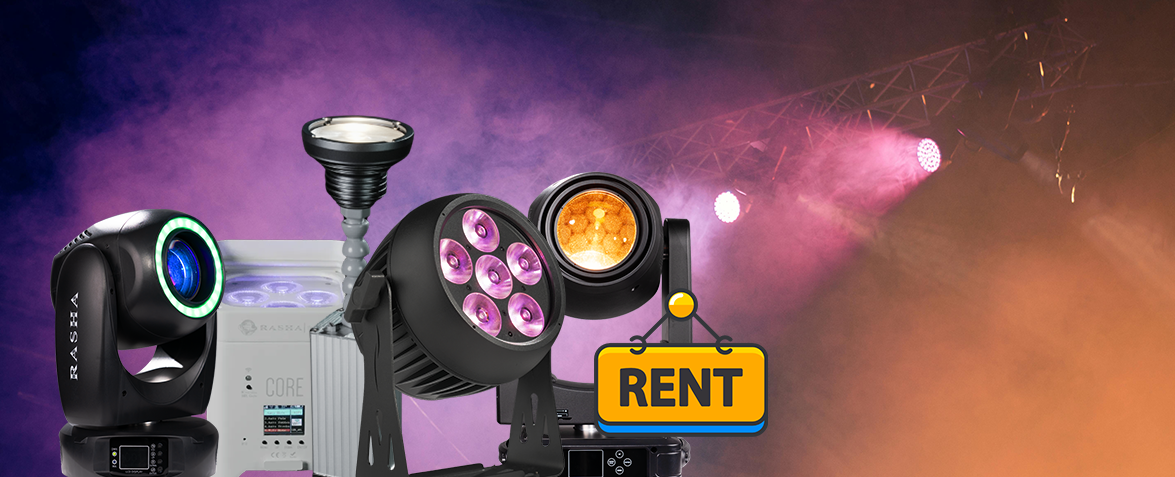
Rental lighting is financially advantageous when:
Event schedules are irregular
Capital budgets are limited
Production requirements vary significantly
Specialized fixtures are needed occasionally
Touring acts require rider-specific equipment
The Hybrid Model: Infrastructure + Flexibility
.png)
According to the PwC Global Entertainment & Media Outlook, technology investment remains a priority for venues competing in the growing live events market.
A hybrid lighting model typically includes:
Installed venue lighting solutions
Core programmable moving heads
Integrated control systems
Rental add-ons for high-impact events
Expandable LED video walls
This approach balances capital control, operational efficiency, and scalability.
How to Evaluate the Right Model for Your Venue
To determine the financially optimal strategy, calculate:
Annual rental expenditure
Estimated installation cost
Expected fixture utilization rate
Annual maintenance cost
Labor savings per event
Energy consumption reduction
If rental expenses over 2–4 years approach or exceed permanent installation cost, infrastructure investment may deliver stronger long-term ROI.
Conclusion: Financial Strategy Over Simple Cost Comparison
Permanent vs rental lighting is not purely a pricing decision. It is a capital allocation strategy aligned with:
Event frequency
Brand positioning
Operational efficiency
Technical staffing
Growth projections
Frequent-event venues often benefit from permanent infrastructure. Seasonal or variable venues may prioritize rental flexibility. Most modern operators implement a hybrid model that combines installed lighting systems with rental scalability.
Strategic lighting investment supports not only financial efficiency but also consistent production quality in an increasingly competitive live events industry.
Permanent vs Rental Lighting FAQs
Explore practical answers to help venues compare installation costs, rental expenses, hybrid strategies, and long-term financial planning.
Permanent lighting becomes cheaper over time when a venue hosts frequent events. While installation requires upfront investment, cost per event decreases with consistent use. Rental lighting may be more affordable for irregular schedules but becomes expensive when used repeatedly across many events.
Most venues recover the cost of permanent lighting within 2–4 years, depending on event frequency, avoided rental expenses, labor savings, and energy efficiency. High-utilization venues often see faster ROI compared to seasonal or low-booking spaces.
Venues that host weekly or monthly events—such as concert halls, wedding venues, theaters, clubs, and corporate event spaces—benefit most from permanent lighting. Consistent usage maximizes return on investment and reduces repeated setup labor costs.
Rental lighting makes financial sense for venues with irregular bookings, seasonal demand, or one-off large-scale productions. It is ideal when specialized fixtures are required occasionally or when capital investment in infrastructure is not feasible.
A hybrid lighting strategy combines a permanent core lighting system with rental equipment for large or specialized events. This approach balances long-term cost control with flexibility, allowing venues to scale production without overinvesting in rarely used fixtures.
Yes. Permanent lighting significantly reduces recurring setup and teardown labor. Installed fixtures remain mounted and programmed, saving crew hours and lowering overtime expenses compared to repeated rental installations.
LED lighting systems are generally more cost-effective due to lower energy consumption, longer lifespan, and reduced maintenance requirements. Over time, these factors contribute to lower operating expenses compared to traditional lighting technologies.
A venue should evaluate event frequency, annual rental costs, available capital, technical staffing, and long-term growth plans. If rental costs over several years approach installation costs, investing in permanent lighting may provide stronger financial returns.

Tyler Hayes
With over 15 years in the entertainment lighting scene, Tyler Hayes has helped shape unforgettable live experiences across stages, clubs, and festivals. He writes about how lighting transforms moments into lasting memories. His passion lies in inspiring others to see light not just as illumination, but as the heartbeat of every great event.



